
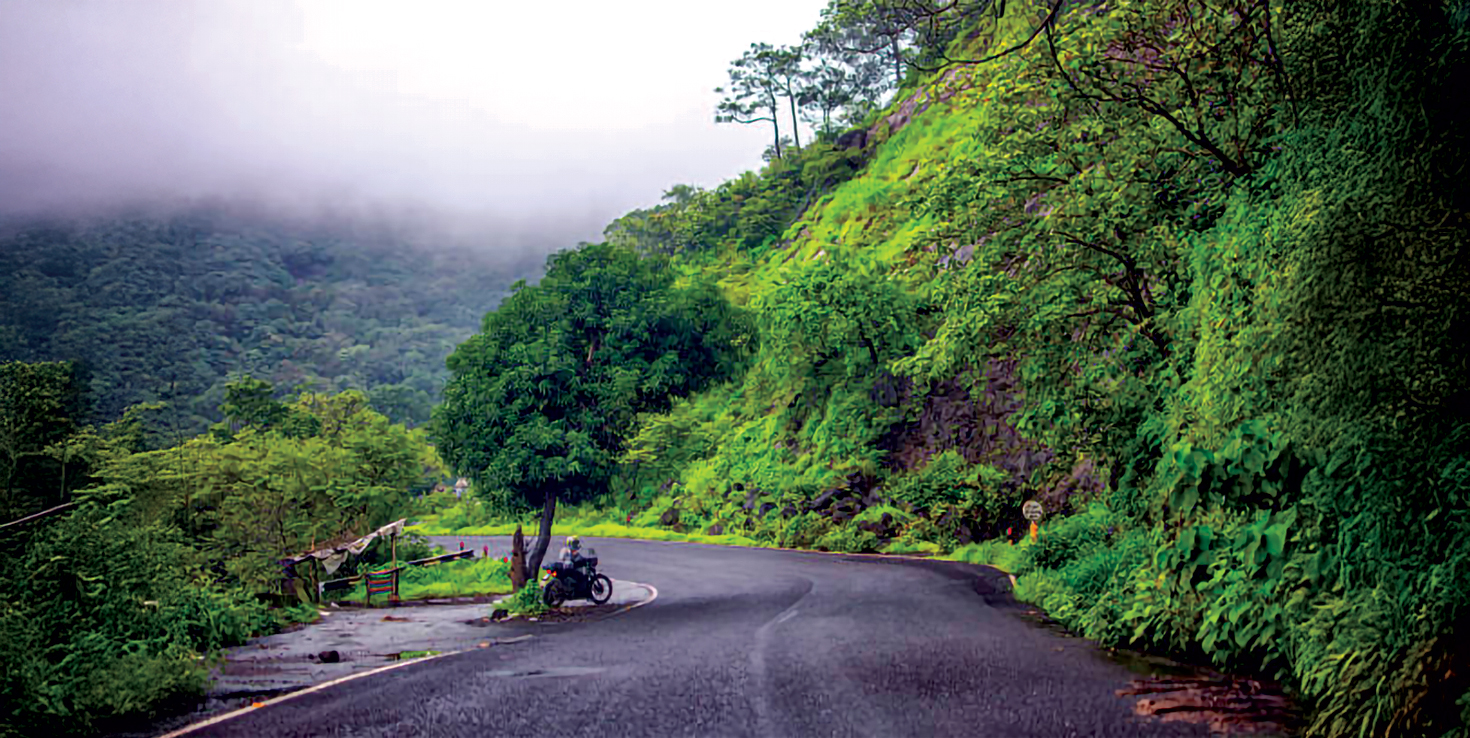
Traveling by road provides a freedom that other modes of transportation cannot match. The open highway invites exploration, and every turn can reveal unexpected beauty, cultural gems, and moments of tranquility. For those seeking a journey that blends adventure with breathtaking vistas, a well-planned scenic roadmap views strategy ensures that the trip is as memorable as the destination itself.
Plan Routes With Visual Rewards
The first step to an extraordinary road trip is selecting routes rich in visual and sensory appeal. Coastal drives, mountain passes, and countryside roads often offer the most striking landscapes. Researching local viewpoints, lakeside stops, or elevated lookouts transforms a simple drive into a curated experience. By prioritizing scenic value over speed, each mile becomes a story worth recounting.
Embrace Flexible Itineraries
A rigid schedule can stifle the magic of a road trip. Flexibility allows for spontaneous stops at roadside attractions, local markets, or hidden trails. Unplanned detours often lead to the most remarkable discoveries, from a secluded waterfall to a charming village festival. Building adaptability into your roadmap maximizes enjoyment and ensures that your journey remains dynamic and engaging.
Incorporate Iconic Landmarks
Even in the era of off-the-beaten-path exploration, iconic landmarks hold enduring allure. Including stops at well-known vistas, historical monuments, or architectural marvels provides reference points that anchor the journey. Combining these with lesser-known sites ensures a balance between celebrated attractions and secret treasures, enriching the visual tapestry of your escape.
Optimize Timing for Light
The quality of light can transform familiar scenery into something extraordinary. Early morning sunrises over mountain ridges, golden hour reflections on lakes, and the soft illumination of twilight enhance photographic opportunities and emotional resonance. Planning segments of the trip to coincide with these periods creates dramatic, unforgettable scenic roadmap views.
Seek Cultural Intersections
Road trips are not only about landscapes; they are avenues to explore local culture. Incorporate stops at artisan villages, roadside diners, or historical neighborhoods. Engaging with local culture adds layers of richness to the journey and provides context to the scenic landscapes. Cultural immersion elevates a road trip from visual delight to a holistic travel experience.
Prioritize Safety and Comfort
Even the most scenic routes lose appeal if comfort and safety are compromised. Choose roads with reliable infrastructure, ample rest areas, and accessible services. Regular breaks prevent fatigue and ensure that each scenic stop is enjoyed fully rather than rushed. Comfort enhances both appreciation and memory retention, making the journey more pleasurable overall.
Capture the Journey
Documenting the road trip through photography, video, or travel journaling amplifies the value of scenic experiences. Photographs capture fleeting expressions of light, color, and motion, while journaling allows reflection on moments of awe and discovery. Recording the journey transforms transient scenery into enduring memories that can be revisited long after the trip concludes.
Explore Natural Reserves and Parks
National parks, wildlife sanctuaries, and protected landscapes provide unparalleled road trip experiences. Carefully curated routes through these areas combine natural splendor with recreational activities like hiking, kayaking, or birdwatching. These immersive interactions with nature enhance scenic roadmap views, offering both visual stimulation and physical engagement.
Plan Strategic Rest Stops
Rest stops are not merely functional; they can be opportunities to enjoy curated vistas. Scenic overlooks, roadside gardens, or riverside picnic areas provide moments of pause and reflection. Thoughtfully planned breaks prevent travel fatigue while adding richness to the visual and emotional experience of the journey.
Leverage Technology
Modern navigation tools enhance scenic exploration. Mapping apps, route planners, and travel forums offer insights into lesser-known viewpoints, scenic byways, and traveler tips. Technology ensures that routes remain optimized for both efficiency and visual appeal, allowing adventurers to focus on enjoyment rather than logistics.
Mix Urban and Rural Landscapes
The interplay between urban sophistication and pastoral charm enriches a scenic roadmap. City skylines, historic town centers, and architectural marvels contrast beautifully with open fields, winding rivers, and serene mountain paths. Alternating between these environments creates visual rhythm and maintains engagement throughout the trip.
Engage All Senses
Scenic road trips are multisensory experiences. The rustle of leaves, the scent of pine forests, the feel of wind on a coastal road, and the taste of local delicacies along the way all contribute to the journey. Engaging fully with each sense transforms ordinary drives into legendary escapes and enhances the depth of your scenic roadmap views.
Reflect and Share
Finally, reflection solidifies memories. Sharing stories with fellow travelers, family, or friends not only preserves experiences but allows them to evolve into narrative highlights. Revisiting the journey through storytelling ensures that scenic moments remain vivid, cherished, and inspiring long after the road trip concludes.
A well-planned road trip is an orchestration of sight, culture, and experience. By prioritizing visual appeal, incorporating cultural intersections, leveraging technology, and maintaining flexibility, travelers can craft scenic roadmap views that captivate the imagination and enrich every mile. With these strategies, the journey itself becomes an unforgettable destination.
About the Author




:max_bytes(150000):strip_icc()/TAL-beach-turks-and-caicos-WHERETOGO2025-c80407ad9a394c7a877fe74f506f3342.jpg "10 Tour Getaway Ideas for Instant Travel Happiness")