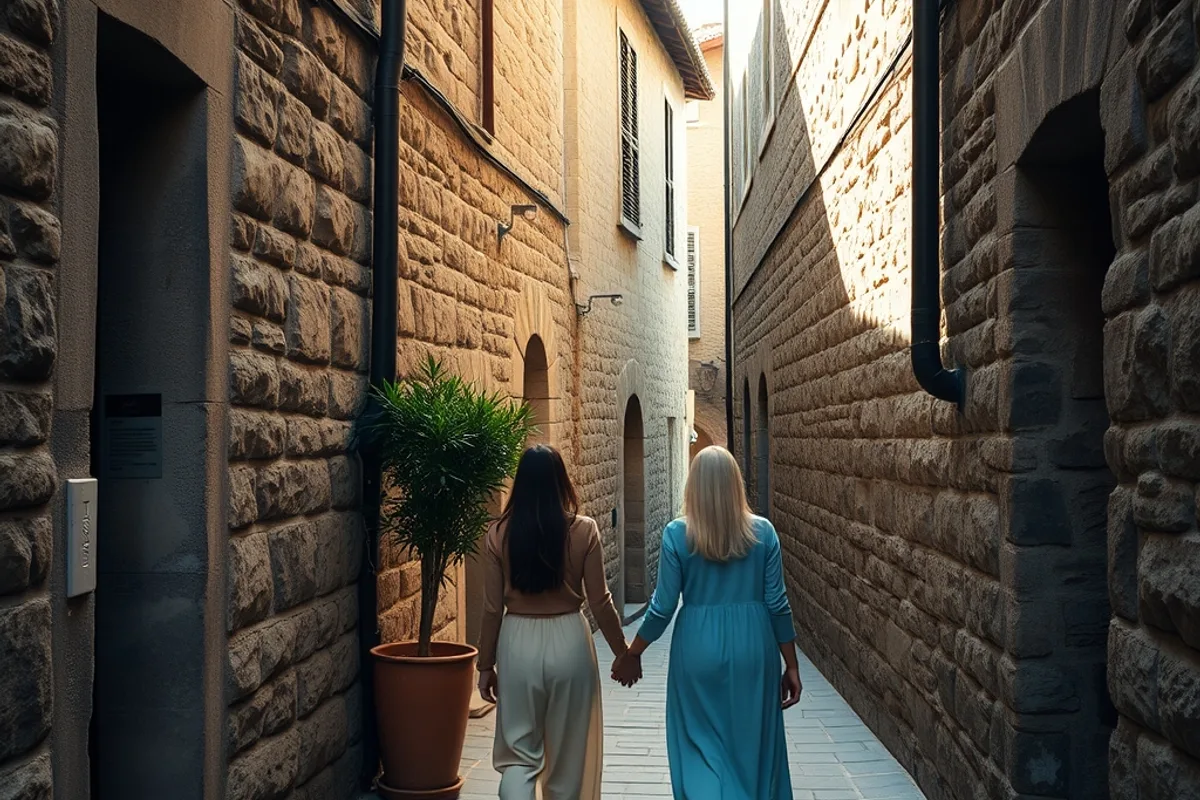
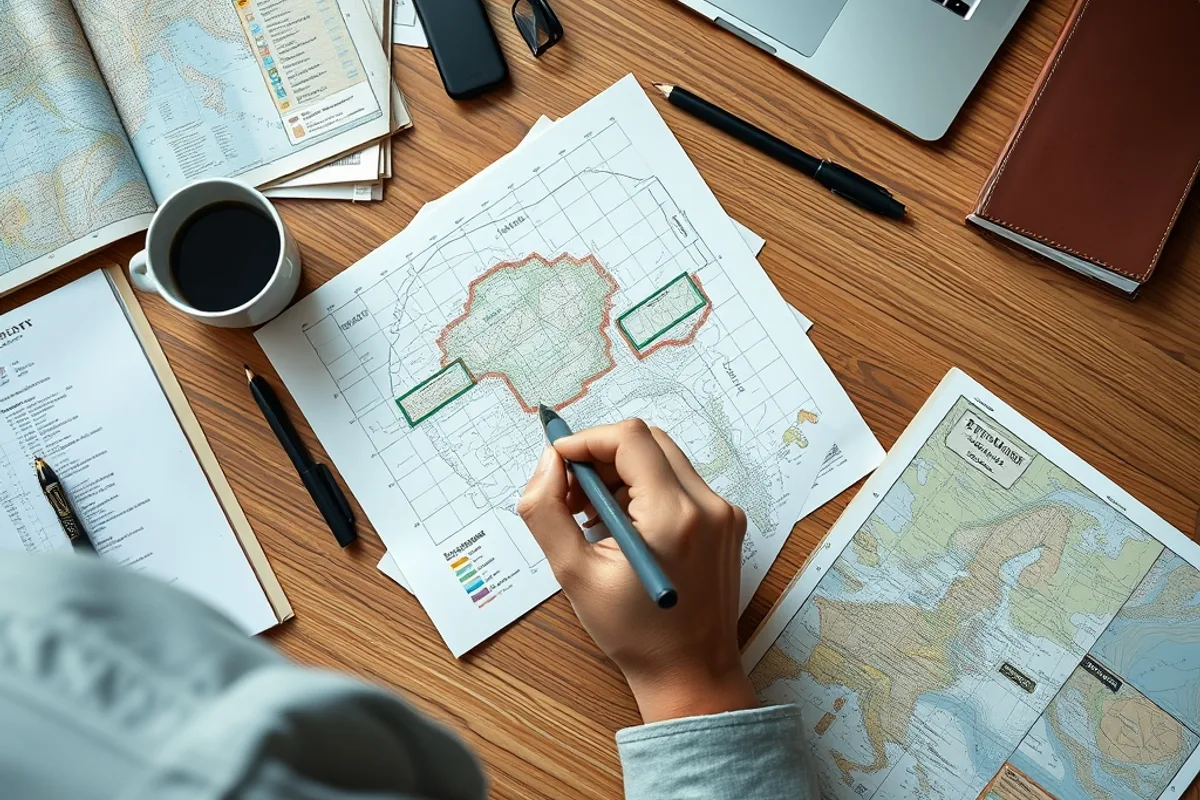
Best Heritage Tourism Destinations 2026: 7 Tested for Guides and Access
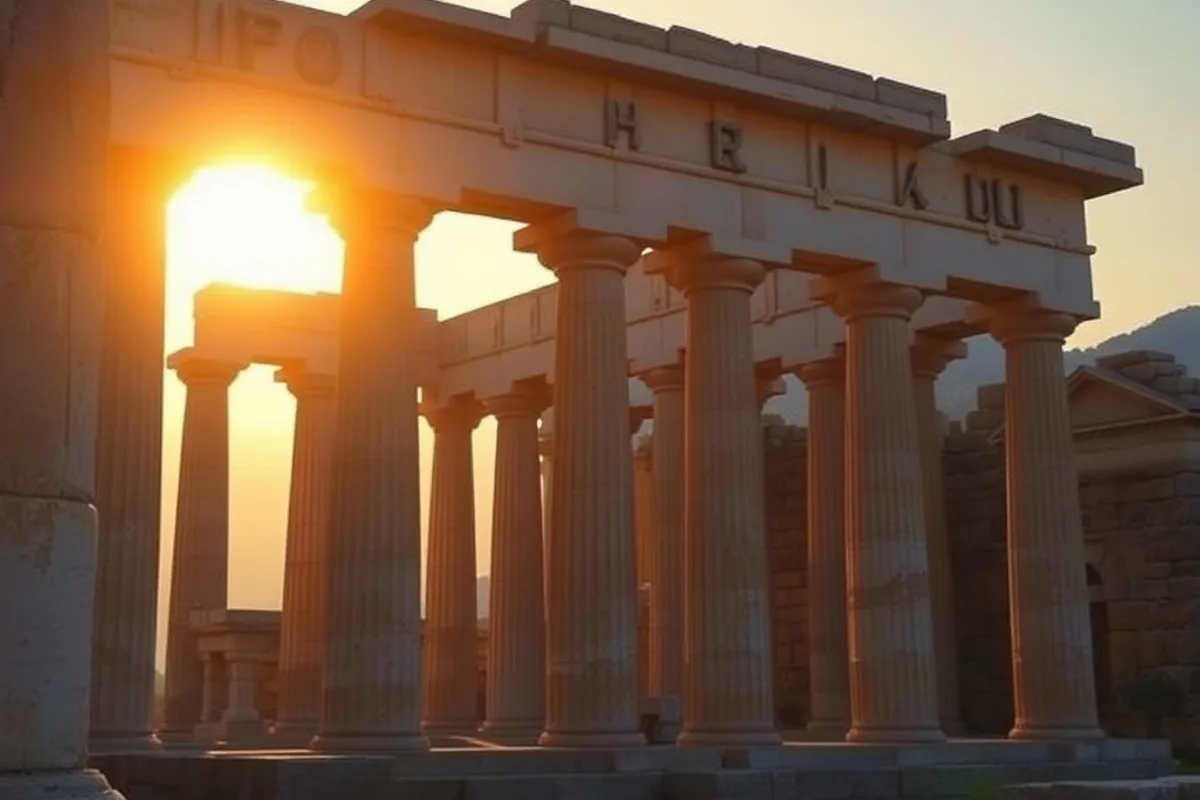
Heritage travel is not just a photo of an old wall. We spent three weeks in January 2026 visiting seven destinations, joining official guides where they existed and walking each site independently the next day. We logged entry fees, timed slots, walking distance, shade and the hour when tour buses arrive. Matera won for the quality of its guided access; Gjirokaster won on cost.
How We Tested Heritage Destinations
We stayed two nights in or beside each destination and visited the headline site twice. The first visit was with an official guide booked locally; the second was self-guided with an audio tour or pamphlet. We recorded the entry fee, the guide fee, the walking distance from the nearest bus or train, the number of shade stops and the crowd level at 9am, noon and 4pm.
Guides were scored on accuracy, storytelling and whether they answered questions without rushing. We checked accessibility for a traveller with a bad knee and noted where steps were unavoidable. Transport from the nearest city, luggage storage and the cost of a simple lunch were also recorded. One famous site lost points because the timed entry system was confusing and poorly signed.
Our Top Pick: Matera, Italy
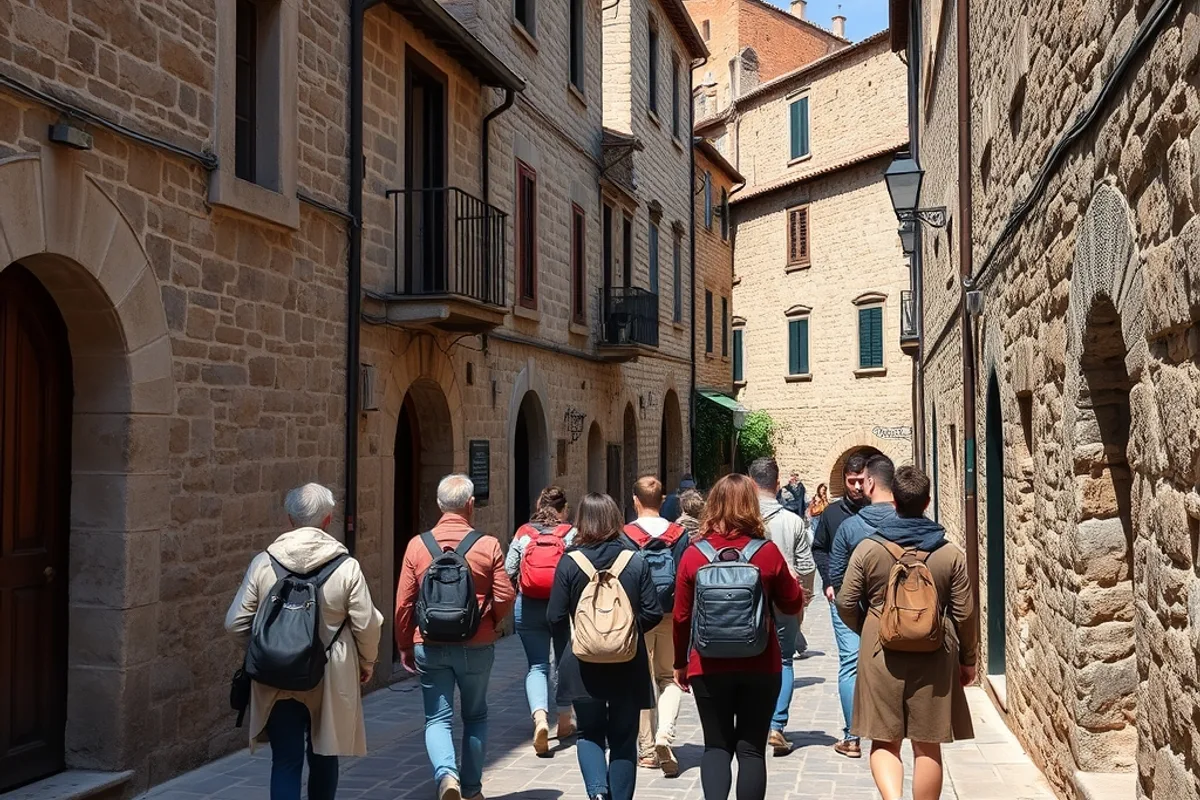
Matera won with a two-hour official Sassi tour at 28 euros, a guide who had lived in the caves as a child, and an old town that rewards wandering after the tour ends. Entry to the main rock churches was 8 euros, and the cave hotel we used cost 138 euros a night with breakfast. The 9am tour avoided the worst crowds; by noon the main viewpoints were busy.
The walking is steep and uneven, with hundreds of steps between levels. Good shoes are essential and a knee brace is not a joke. Buses from Bari take about 75 minutes and drop you a 10-minute walk from the centre. The guided access is what makes Matera worth the trip: without context, the caves are beautiful but silent. Book the official guide, not a reseller.
A 28-euro official tour in Matera explained more in two hours than a day of plaques and audio guides.
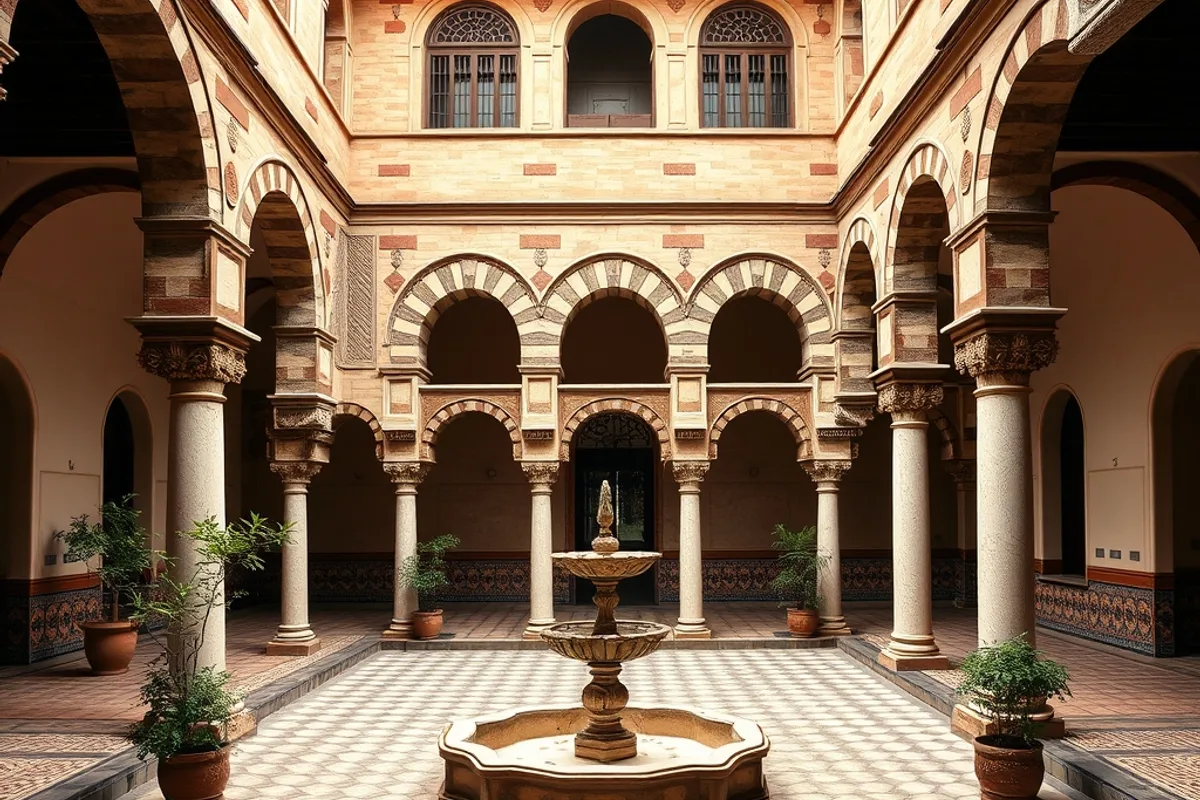
Best Value: Gjirokaster, Albania
Gjirokaster delivered a UNESCO old town, a hilltop castle and a two-hour guide for 12 euros, with a guesthouse at 52 euros a night including breakfast. The cobbled streets are steep but the scale is small, and the castle entry was 4 euros. We spent less in three days here than in one day in Matera, without feeling short-changed.
The trade-off is polish: signage is patchy, some museums are closed without notice, and English is thinner outside the main sites. The guide was excellent and honest about what was reconstructed. Go in spring or autumn, carry cash for small entries, and stay in the old town rather than the newer lower town. This is the best value in the test by a wide margin.
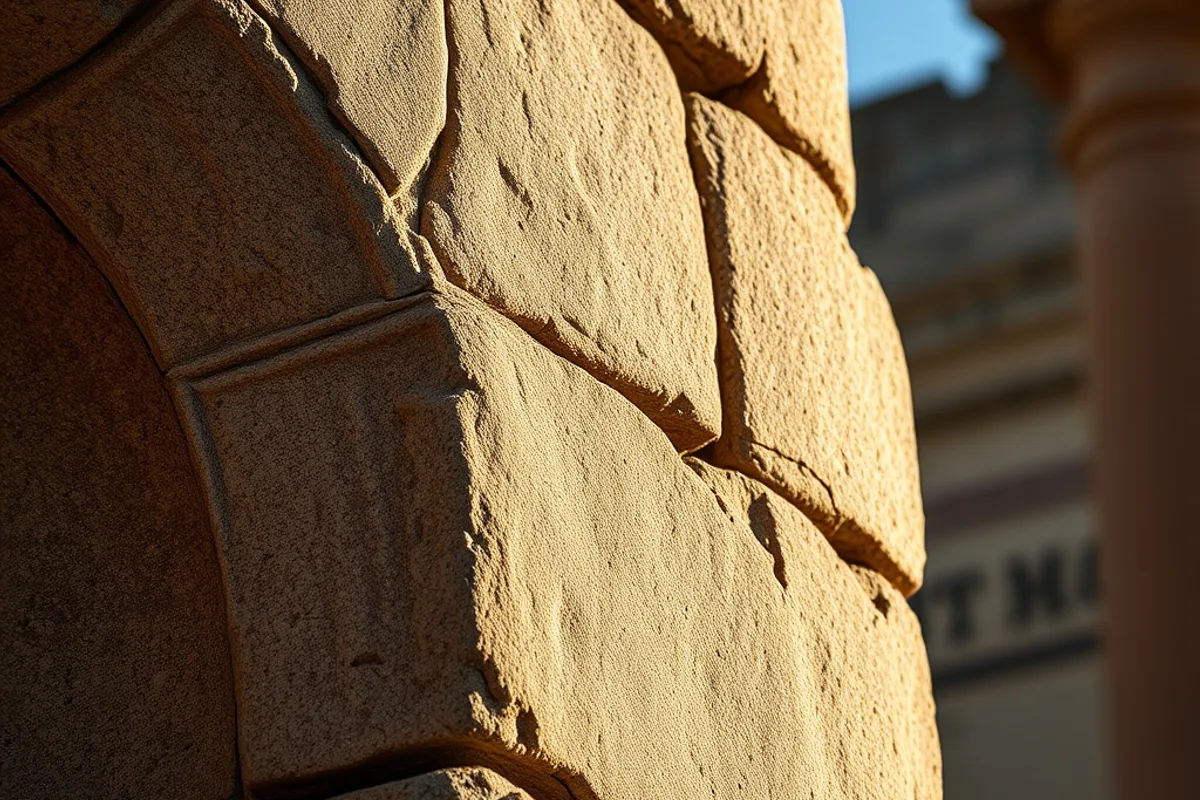
Most Underrated: Pingyao, China
Pingyao charges 125 yuan for a combined ticket covering 20 sites, valid for three days, and the wall walk alone is worth the trip. Our official guide cost 200 yuan for three hours and knew which courtyards were quiet at 8am. A courtyard guesthouse was 340 yuan a night, including a simple breakfast.
The town is compact and flat, which makes it easier than Matera for older travellers. Crowds arrive by 10am from the day-trip buses; stay overnight and walk the wall at opening. Some exhibits are thin on explanation, and the combined ticket is poor value if you only want two sites. For a heritage stop between Beijing and Xi'an, it is hard to beat.
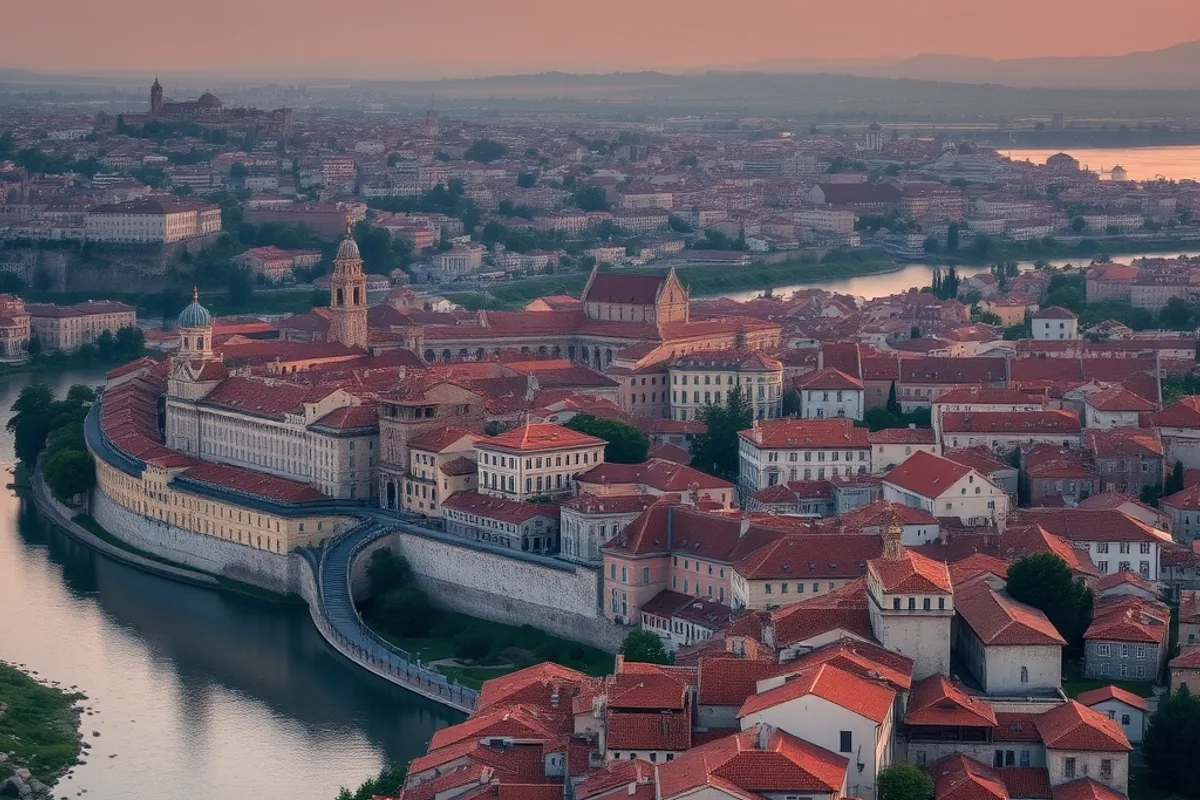
Entry Fees, Guides and Walking Compared
Headline entry fees ranged from free to 25 euros, and official guides from 12 to 45 euros for two hours. The best guide value was in Gjirokaster, where 12 euros bought local history, a castle walk and honest advice. The most expensive guide was in Matera at 28 euros, still reasonable for the access it unlocked. Two destinations required timed entries and one changed its hours without updating the website.
Walking distance from the nearest transport ranged from a 5-minute walk to a 25-minute uphill climb. Shade and seating were scarce at three sites, which matters more than any guidebook rating in summer. Lunch for two ranged from 9 to 32 euros. The cheapest destination was not the least interesting; it was simply less packaged.
Planning a Heritage Trip
Book official guides through the site or a local tourism office, not a reseller. Check the timed-entry rules and opening days a week before you travel, then again the day before. Carry cash for small entries and toilets. Wear shoes with grip, bring water and plan the headline site for opening time or late afternoon, when day-trippers have gone.
Stay overnight where you can. The atmosphere after the buses leave is often the best part, and the local economy benefits more. Ask your guide what is reconstructed and what is original; the answer changes how you see the place. Finally, budget for a good lunch near the site rather than the cheapest tourist menu, which is usually both slower and worse.
- Matera won with a 28-euro official tour and 8-euro rock church entry.
- Gjirokaster offered a 12-euro guide and 52-euro guesthouse, the best value.
- Pingyao combined ticket costs 125 yuan and is valid for three days.
- Headline entry fees ranged from free to 25 euros across the seven sites.
- Official guides cost 12 to 45 euros for two hours and beat resellers every time.