Best Historic City Walks 2026: 6 Routes Tested
A historic city is best on foot, but not every famous walk deserves three hours. We walked six routes in six cities during January and February 2026, timing each one and noting shade, seating, toilets, cobblestones and the hour the crowds peak. Bologna's porticoes won for comfort and free access; York's walls won as the best short walk.
How We Tested the Walks
Each route was walked twice, once at 9am and once at 3pm, at a normal pace with a stop every 20 minutes. We measured distance with a GPS watch, recorded steps, shade coverage and bench frequency, and noted surfaces that would trouble a stroller or a suitcase. Entry fees and optional guided tours were priced separately.
We scored interpretation: plaques, maps, audio guides and the quality of one paid guide per city. Crowd pressure was rated at three points along the route. We also checked toilets, water fountains and the nearest cafe. A route lost points if it was beautiful but had no escape from traffic or heat, or if the signage sent us the wrong way.
Our Top Pick: Bologna Porticoes
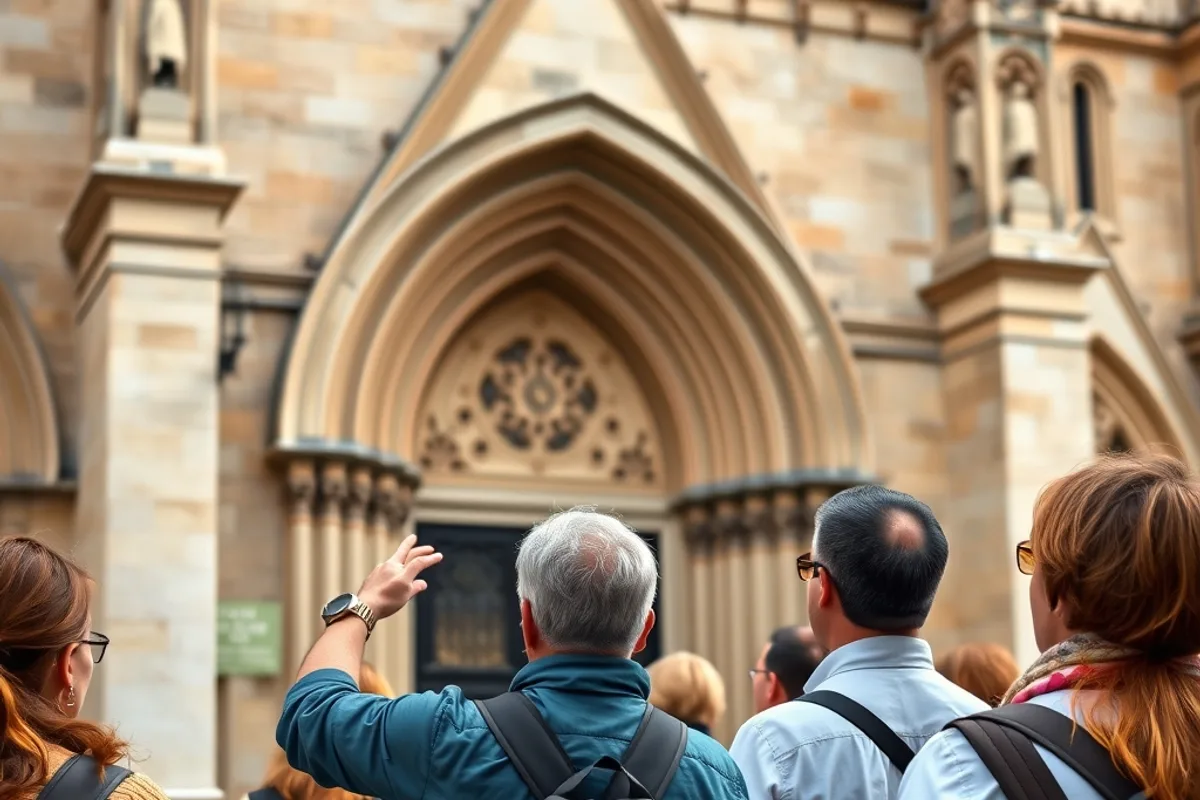
Bologna's 3.8km portico walk is free, flat and almost entirely covered, which makes it the most comfortable city route in the test. We walked it in 1 hour 50 minutes with two stops, including the climb to San Luca if you take the full route. The covered arcades give shade in summer and shelter in rain, and the city is compact enough to repeat a favourite stretch in the evening.
The signage is good but not perfect; download the official route map before you start. The San Luca hill section adds 2km and a climb, with a bus alternative for the return. Cafes and toilets are plentiful along the flat section. This is the walk we would recommend to almost anyone, including travellers with limited mobility, as long as the hill is optional.
Bologna gives you 3.8km of covered, flat walking for free, with coffee every few hundred metres.
Best Free Short Walk: York City Walls
York's walls run 3.4km around the old city and cost nothing. We walked the full circuit in 1 hour 25 minutes, with several staircase exits and good views over the minster and the station. The surface is uneven in places and there are no benches on the wall itself, but the route is manageable for most walkers and easy to shorten.
Start at Bootham Bar and finish near the river for lunch. The walls are narrow at two points, so avoid peak weekend afternoons if you dislike queues on stairs. Interpretation is decent, with panels at the main gates. For a free introduction to the city, this beats a paid bus tour on a dry day. Wear shoes with grip after rain.
Best Guided Walk: Valletta
Valletta's official two-hour guided walk cost 18 euros and covered the grid of streets, the co-cathedral exterior, the Upper Barrakka gardens and the history of the knights. The guide kept a group of 14 together and answered questions without rushing. The city is steep in places, with long staircases between levels and little shade at midday.
The 9am start is worth the early alarm. The walk ends near the ferry terminal, which makes a harbour crossing an easy next step. Entry to the co-cathedral is separate at 15 euros and worth it for the interior. If you only have one day, take the guide in the morning and wander alone after lunch, when the cruise crowds thin out.

Distance, Shade and Crowds Compared
Route lengths ranged from 2.1km to 4.4km, and walking time from 55 minutes to 2 hours 10 minutes at a normal pace. Free routes were not worse than paid ones: the two best walks in this test cost nothing. Paid guides ranged from 15 to 22 euros for two hours. Only two routes had regular benches, and one had no public toilet until the end.
Crowds peaked between 10:30am and 2pm on every route, with cruise days adding 30 to 50 percent. Shade coverage ranged from 15 percent to 90 percent, which matters more than distance in summer. Cobblestones were hardest on the oldest routes; a stroller or wheeled suitcase will slow you down. Morning starts won on every measure except cafe openings.
Walking a Historic City Well
Start by 9am, carry water and wear shoes with grip. Download an offline map before you leave, because old-town lanes confuse GPS. Plan a mid-route cafe stop with a toilet, and check whether the route has stairs or steep sections if anyone in your group has mobility limits. A 3km walk on cobbles feels longer than 5km on pavement.
Take one guided walk early in the trip, then explore alone. Guides are best for context, not for covering distance. Avoid the midday cruise peak, and check the local holiday calendar, when museums close and crowds shift. If a route is crowded, walk it in reverse; the flow of tour groups is usually one-way.
- Bologna porticoes: 3.8km, flat, covered and free, walked in 1 hour 50 minutes.
- York walls: 3.4km free circuit with several staircase exits.
- Valletta guided walk cost 18 euros for two hours and started at 9am.
- Route lengths ranged from 2.1km to 4.4km across the six cities.
- Crowds peaked between 10:30am and 2pm, with cruise days the busiest.