

Introduction & Background
In a world that often feels fast-paced and disconnected, the idea of creating a warm, inviting space for guests has never been more meaningful. Whether it is a cozy corner in your home, a thoughtfully designed retreat, or a community hub, warmth transcends physical comfort. It speaks to the heart, offering a sense of belonging and rest to those who walk through the door. The significance of such spaces lies not just in their aesthetic appeal, but in their ability to foster connection, healing, and joy. As society continues to evolve, the need for sanctuaries that nurture the human spirit has become increasingly vital. This article explores how embracing warmth can transform any space into a haven for every heart.
Concept & Overview
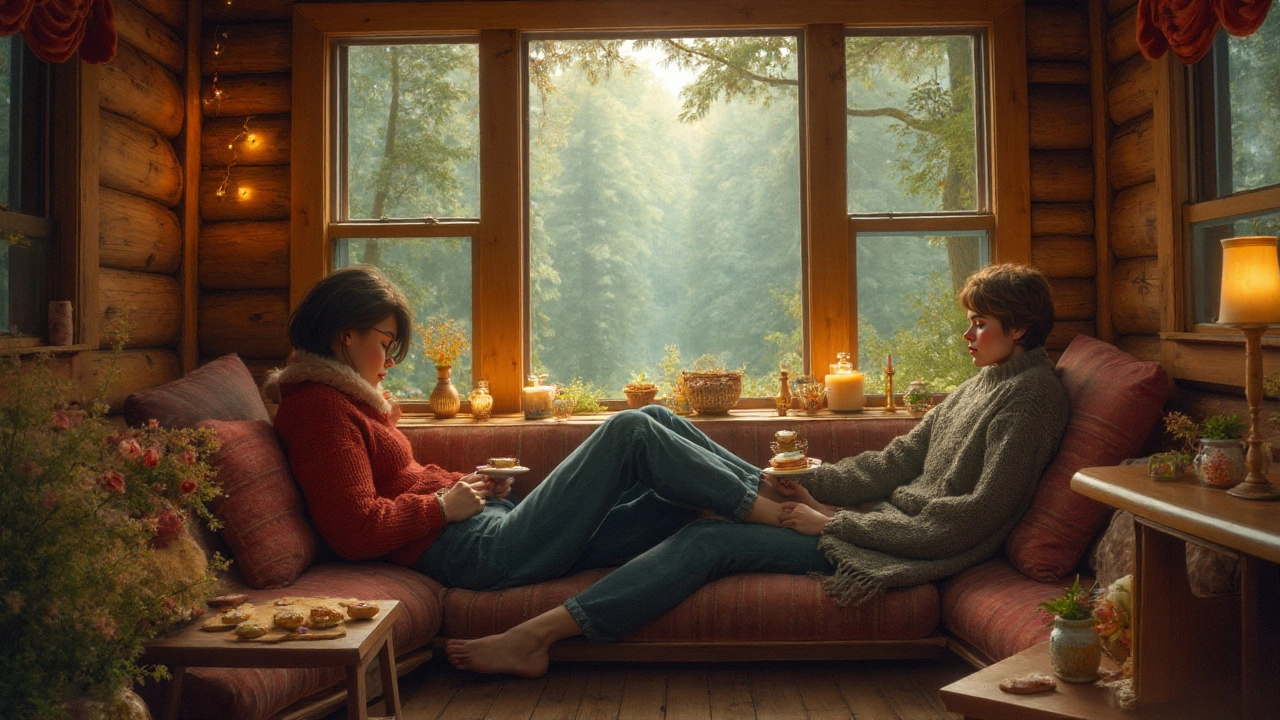
A guest haven rooted in warmth is more than just a physical location. It is a philosophy centered on creating environments where people feel seen, valued, and at ease. At its core, this concept revolves around intentionality. Every element, from the colors on the walls to the textures of the fabrics, from the lighting to the scents in the air, should be chosen with care. The aim is to evoke feelings of comfort and safety, allowing guests to relax and recharge. Warmth, in this context, is both tangible and intangible. It can be felt in the softness of a well-placed throw blanket or in the genuine smile of a host who remembers a guest’s favorite drink. It is a blend of hospitality, design, and emotional intelligence, all working together to create a memorable experience.
Key Features & Highlights
- Intuitive Design: Spaces should be intuitive, with a clear flow that guides guests effortlessly from entry to relaxation. Furniture should be arranged to encourage conversation and connection.
- Sensory Comfort: Pay attention to the senses. Soft lighting, calming colors, and subtle fragrances can elevate the atmosphere. Consider using warm-toned fabrics and natural materials like wood or linen.
- Personal Touches: Guests appreciate when their preferences and needs are anticipated. Small gestures, such as providing a favorite snack or a handwritten note, can make a big difference.
- Versatile Layouts: Design areas that can adapt to different needs, whether it is a quiet reading nook or a communal dining space. Flexibility ensures the space remains welcoming for all types of visitors.
- Thoughtful Technology: Incorporate technology in ways that enhance comfort without overwhelming guests. Smart thermostats, gentle background music, and charging stations can add convenience.
- Accessibility: Ensure the space is accessible to everyone, including those with mobility challenges or sensory sensitivities. Wide doorways, clear pathways, and adjustable furniture contribute to inclusivity.
Frequently Asked Questions / Pros & Cons
What makes a space truly warm and inviting?
A warm space goes beyond physical comfort. It is shaped by the emotional tone set by the host or the environment itself. Elements like warmth in color palettes, soft textures, natural light, and uncluttered spaces all contribute. Most importantly, it is the people within the space who breathe life into it. A genuine interaction, a shared laugh, or even a moment of quiet reflection can transform a room into a warm haven.
How can I incorporate warmth into a small space?
Small spaces can radiate warmth through strategic choices. Use mirrors to reflect light and create an illusion of openness. Choose furniture with clean lines and light colors to avoid overwhelming the area. Layer textiles like cushions and throws to add texture and coziness. Incorporate plants to bring in a touch of nature. Most importantly, declutter regularly to maintain a sense of calm and spaciousness.
What are the pros and cons of DIY guest spaces versus professionally designed ones?
Pros of DIY: Personalization is unmatched. You can infuse your unique style and values into every detail. It is often more budget-friendly and allows for flexibility as needs change. You also have full control over the timeline and materials used.
Cons of DIY: It can be time-consuming and may require skills you are not familiar with. There is a risk of overlooking important design principles that professionals understand. The final result might lack the polished, cohesive look of a professionally designed space.
Pros of Professional Design: Experts bring experience, creativity, and an eye for detail. They can maximize space, suggest high-quality materials, and create a cohesive aesthetic. The process is often streamlined, saving you time and stress.
Cons of Professional Design: It can be expensive, especially for custom work. You may have less control over the final outcome and might need to adapt to the designer’s vision. Scheduling can also be a challenge depending on their availability.
Can warmth be created in a corporate or public setting?
Absolutely. Warmth in a corporate or public setting is about creating an environment where people feel respected and valued. This can be achieved through friendly signage, comfortable seating areas, and inclusivity in design. Offering refreshments, maintaining cleanliness, and training staff to be attentive and empathetic are also key. Warmth does not require exclusivity. It is about making everyone who enters feel acknowledged and cared for.
Practical Guidance & Solutions
Transforming a space into a warm haven begins with a clear vision. Start by defining the purpose of the area. Is it meant for relaxation, socializing, or both? Once the purpose is clear, focus on the details that will bring your vision to life. Begin with a neutral base in colors and textures, then layer in elements that add personality. Consider using warm lighting, such as soft bulbs or dimmable lamps, to set the mood.
Invest in comfortable seating options that encourage people to stay longer. Arrange furniture to facilitate easy conversation, avoiding rigid, isolated setups. Add personal touches like family photos, travel souvenirs, or artwork that holds meaning. These details tell a story and make the space feel lived-in and authentic.
Do not underestimate the power of scent. A subtle, welcoming fragrance can elevate the experience. Choose natural options like essential oils or fresh flowers to avoid overwhelming guests. Also, consider the acoustics of the space. Soft background music or the gentle hum of conversation can create a soothing atmosphere.
Finally, be present. Warmth often comes from human connection. Greet guests warmly, offer assistance without hovering, and engage in meaningful conversations. Remember, a space becomes a haven when it feels alive with kindness and care.
Conclusion
The art of creating a guest haven rooted in warmth is a gift to both the host and the visitor. It is an invitation to slow down, connect, and feel at home in a world that often moves too quickly. Whether it is a corner of your living room or a dedicated guest suite, warmth transforms a space from ordinary to extraordinary. It nurtures relationships, sparks joy, and leaves lasting impressions. As you embrace this philosophy, remember that warmth is not just about what you create. It is about how you make others feel. In doing so, you do not just welcome guests. You create memories, foster belonging, and touch hearts in ways that extend far beyond the space itself.
About the Author





:max_bytes(150000):strip_icc()/TAL-beach-turks-and-caicos-WHERETOGO2025-c80407ad9a394c7a877fe74f506f3342.jpg "10 Tour Getaway Ideas for Instant Travel Happiness")