
Some destinations whisper their brilliance instead of broadcasting it. The most memorable experiences are often nested in lesser-known addresses, boutique sanctuaries, and luxury gem resorts that excel in originality, seclusion, and artisanal hospitality. These hidden gems redefine indulgence not by excess, but by thoughtful choreography of comfort, personalized elegance, hyperlocal culture, and experiences layered with quiet wonder!
1. Resorts That Blend Nature with Narrative
The best undiscovered resorts don’t just occupy land, they interpret it. They borrow vernacular from their surroundings, turning rice terraces, jungle canopies, or limestone cliffs into storytelling backdrops. This approach, called habitat narratology, ensures the luxury feels contextual, not imported.
At Six Senses Uluwatu, cliffside villas coexist with sunset dramaturgy, where design and nature merge so fluently that the horizon becomes part of the room. Light is directed. Views are curated. Breezes behave like amenities.
Meanwhile, Aman Tokyo represents metropolitan tranquility, proving that luxury works vertically too. The city hum becomes a distant echo, softened by architectural acoustics and layered window insulation science.
2. Service Rituals That Look Effortless
When service feels effortless, effort was massive. This principle is the beating heart of five-star obscurity. The staff glide bags, needs, and itineraries into rooms without ever demanding attention from guests.
At Mandapa, a Ritz-Carlton Reserve hospitality is ceremonial but never ostentatious. The butlers speak fluent subtlety, delivering experiences without adding a single task to your mental docket. It feels invisible. It’s impeccable.
Luxury travel anthropologists often say the real value lies in choreography of removal. These hidden resorts don’t show you what they offer, they show you what they quietly solve for you.
3. Architecture With Human Science at the Core
Small gems usually embrace a discipline of humane proportion. They avoid cavernous or overcrowded layouts. They invest in ergonomic cartography, which is simply the art of mapping movement with psychological peace in mind.
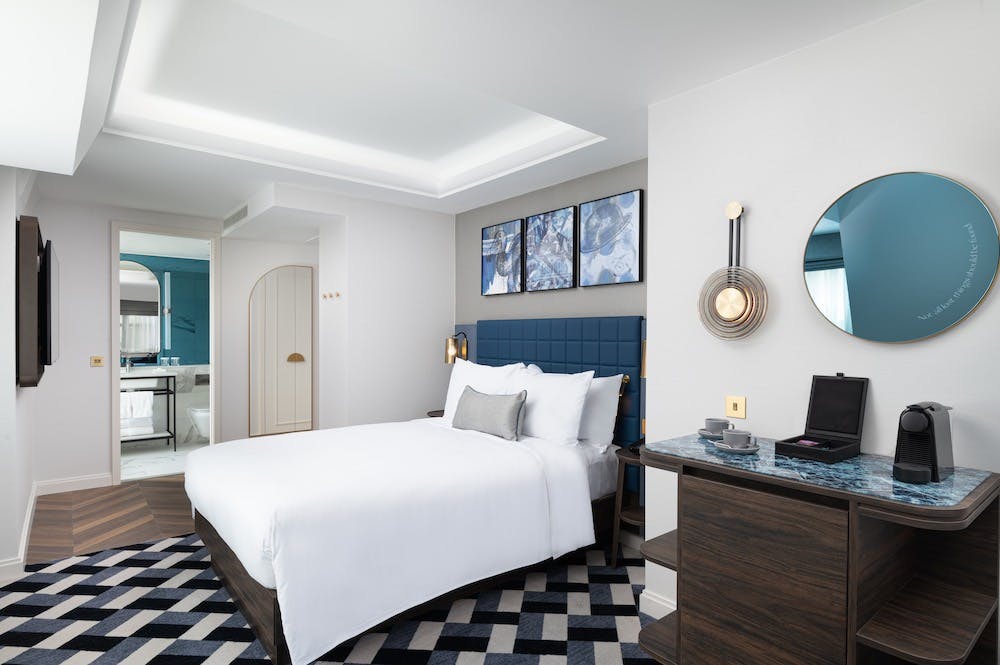
For instance, COMO Shambhala Estate balances wellness infrastructure with luxury tranquillity. The rooms aren’t decorated, they’re defined by function-first allure with a heart rate-lowering atmosphere.
Resorts like these invest in salutogenic geometry. This elegant spatial planning optimizes wellbeing before elegance. Elegance then follows like a polite encore.
4. The Amenities That Make You Say “Wait, This Exists?”
The amenities at hidden luxury resorts aren’t loud. They are delightful micro revelations. Infrared sleep suites, curated personal libraries, handwoven spa kimonos, constellation-guided night dinners, guided village immersion mornings, bamboo sound therapy pavilions, these are not theatrics. These are emotional punctuation marks.
At many of the finest gems, there is a hierarchy of sensory delight; touch first, sound second, sight third, taste fourth, smell fifth, all meticulously designed to reduce sensory dissonance. The result? Rest that feels expensive before the room even opens.
5. Eclectic Gastronomy That Favors Truth Over Flash
Dining at hidden luxury resorts focuses on terroir fidelity, an allegiance to place expressed on plates. These resorts serve meals rooted in soil identity, aquatic provenance, and forgotten recipes that feel both rare and restorative.
Culinary moments at luxury gem resorts awaken what psychologists call “appetite nostalgia forward.” You crave the familiar. Then you fall in love with the unexpected.
6. Textiles and Touch Points With Soul
Boutique luxury resorts often employ tactile semiotics. It just means fabric, texture, and touch express meaning! The towels are cloud-weight calibrated. The robes have slow-warm insulation fabrics. The sheets use moisture-synced cotton blends.
This is textile intelligence, sleep supervised by material science.
7. Silence as a Designed Outcome
True hidden luxury sounds like quiet. Not coincidence. Resorts like these master audio deflection design, echo absorption materials, and silence infrastructure like meditation pavilions and zero-interference corridors.
8. The Luxury Travelers Feel Not the One They See
The best hidden luxury gems blend neuroscience, anthropology, gastronomy, spatial ergonomics, fragrance minimalism, and hospitality psychology to produce stays that restore identity, sensory balance, and emotional bandwidth.
The luxury is not in the glimmer. It’s in the feeling. Resorts of this pedigree are experiential vaults. When you find them, you don’t forget them.
About the Author


:max_bytes(150000):strip_icc()/TAL-beach-turks-and-caicos-WHERETOGO2025-c80407ad9a394c7a877fe74f506f3342.jpg "10 Tour Getaway Ideas for Instant Travel Happiness")