
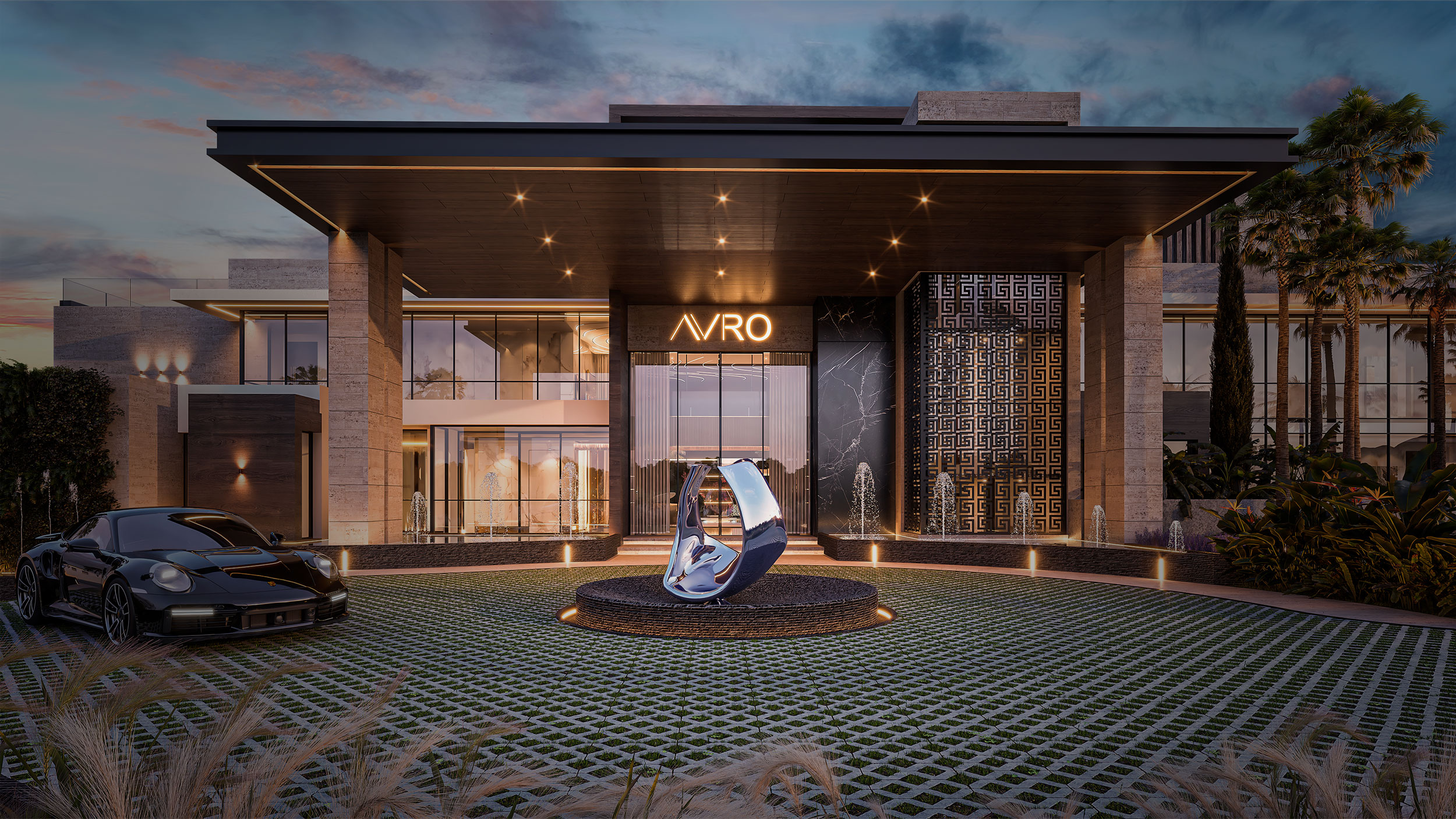
There is something fascinating about checking into a high-end suite and thinking, quietly, “I wish my house felt like this.” The good news? The best of hospitality aesthetics can be borrowed without renovation chaos or dramatic punctuation. These luxury design ideas transform everyday rooms into calm sanctums that quietly radiate sophistication, comfort science, and visual intelligence. Let’s decode the elements worth adopting and make home feel enviably intentional.
1. Start With the Power of Zoning
Luxury hotels design in feeling, not floor plans.
They divide rooms into micro-environments. A sleeping zone, a reading niche, a dressing vestibule, a hydration corner, a soft-light wind-down seat by the window. You can replicate this by using rugs, accent chairs, lighting islands, or small furniture clusters that designate purpose without walls.
A space without zones feels accidental. Zones feel curated.
2. Prioritize Quiet Material Nobility
Hotels frequently rely on tactile richness.
Marble-adjacent surfaces from Marble are replaced, when too expensive, with porcelain composite slabs. Muted stone counters. Reclaimed timber warmth. Ceramic vessels instead of plastic. Linen drapes that breathe subtly. Material excellence in luxury hospitality is less about rarity, and more about how beautifully something ages.
For home use, durability paired with elegance always wins.
3. Steal the Bedding Math
Hotel sleep design is almost scientific.
Instead of focusing on visible extravagance, premium suites choose layering coefficients: a breathable cotton base, featherlight quilt, brushed throw texture, and casual decorative pillow restraint. Hotels like The Ritz-Carlton New York, Central Park built their fame on night-after-night sleep chemistry that balances firmness and softness like a perfected equation.
For home theft: layer your bedding, not your budget.
4. Soft, Warm Lighting Trumps Showpiece Fixtures
Big chandeliers look ceremonial. Celebs hate ceremony.
Smart luxury hotels lean on warm, low Kelvin luminance, table lamps at multiple heights, floor lamps placed in conversation balance, dimmable bedside glow, and reading corner softness that soothes nervous systems rather than competing with them.
The objective?
Rooms should feel sculpted by light. Not lit by a bulb.
5. The Minibar Mindset Meets Your Sideboard
You can borrow the curated refreshment station model.
Small trays, a matching carafe, elegant glassware, still and sparkling hydration options in tactile vessels, nuts in ceramic ramekins, coffee presented like a ritual not a purchase. This sideboard discipline originated in luxury hotels from hospitality groups like Accor which frequently deploy curated drink and snack staging to replace chaotic countertops.
At home, your sideboard is your quiet minibar. Treat it kindly.
6. Art Isn’t Loud, It’s Personal and Local
Hotels commission art that speaks to narrative, not noise.
Boutique statements come through framed textiles, local photography, cultural cartography prints, craft-meets-canvas experiments, studio collaborations, and community artist features. Some Bali villas quietly integrate work from Ubud collectives such as Sukawati Art Market.
Pro tip: invest in art you understand. Not art that understands attention.
7. Mirrors Should Expand Space, Not Ego
Luxury suites deploy mirrors strategically, not symbolically.
They reflect windows, greenery, or empty space instead of reflecting corridors, lamps, or beds directly. They expand geometry and brightness without screaming design intention. Hotels learned long ago that mirrors are psychological amplifiers: used well, they elevate calm. Used poorly, they magnify clutter.
8. Bathroom Ritual, No Marketing Labels
Hotel luxury bathrooms feel like quiet temples of routine.
Thick towels. High pile bath mats. Glass dispensers decanting daily potions, but without logos splashed across them. Museum-like neatness. Spa adjacency, without travelling to a spa.
Candles are functional whisperers here. Aromatics that soothe, rather than compete.
9. Curtain Science: Hanging Higher Changes Everything
Hotels understand vertical psychology better than most.
Curtains presented close to the ceiling create taller visual axes that trick the mind toward spatial grandeur. This is architectural persuasion, without structural adjustment.
10. Color Restraint Is the New Gold Trim
Hotels reduce palettes and amplify appeal.
Soft neutrals. Earth-sourced chromatics. Gentle greens. Silent greys. Quiet beiges. Colors that feel like exhalation, not exclamation. This discipline is frequently refined in suites from design-conscious brands like Aman Resorts where palette minimalism is a luxury signature, not austerity.
Final Suite Theft Summary
Luxury design ideas are now democratized luxuries: zoning discipline, bedding math, material nobility, artful hydration staging, vertical trickery through curtain placement, mirrors that expand geometry not ego, and lighting that calms without announcing itself.
Steal bravely. Apply kindly.
Make home memorable, intentional, and quietly proud.
About the Author



:max_bytes(150000):strip_icc()/TAL-beach-turks-and-caicos-WHERETOGO2025-c80407ad9a394c7a877fe74f506f3342.jpg "10 Tour Getaway Ideas for Instant Travel Happiness")