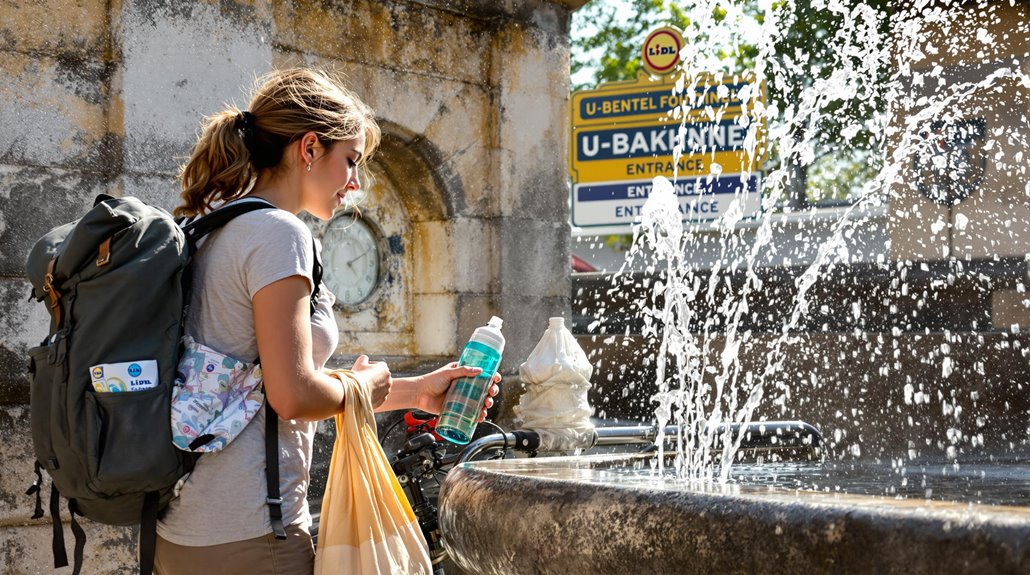
Choosing the right moment for a tour getaway can transform an ordinary trip into an unforgettable adventure. Weather, crowds, local events, and seasonal nuances all influence the quality of the experience. A thoughtful approach ensures that every destination is enjoyed at its peak, and travelers maximize both comfort and excitement. Using a seasonal timing guide allows you to align your itinerary with the most favorable conditions, creating a seamless and enriched journey.
Understanding Seasonal Variations
Each destination experiences distinct seasonal patterns that affect climate, accessibility, and the availability of attractions. Coastal regions may boast sunny, calm waters in summer, while mountainous areas offer snowy peaks for winter sports. Urban destinations can be less crowded during shoulder seasons, offering a more relaxed experience. Recognizing these variations is essential for tailoring your travel plans to personal preferences, whether you seek adventure, relaxation, or cultural immersion.
Spring Adventures
Spring is ideal for destinations that come alive with blossoms, temperate weather, and renewed landscapes. Gardens, parks, and countryside trails are particularly vibrant, making outdoor excursions and photography a delight. Festivals celebrating seasonal change, local flora, or culinary harvests add unique cultural flavor. Spring also often marks lower tourist density compared to peak summer months, allowing for leisurely exploration and enhanced access to attractions.
Summer Getaways
Summer is synonymous with energy, festivals, and long daylight hours. Coastal destinations, lakeside retreats, and adventure parks thrive in this period, offering optimal conditions for water sports, hiking, and outdoor gatherings. Summer also brings cultural events, music festivals, and open-air markets that provide immersive local experiences. Planning in advance is crucial, as high demand can affect accommodations, transport, and event participation.
Autumn Escapes
Autumn provides a picturesque backdrop for travel, especially in regions renowned for fall foliage. Cooler temperatures, golden landscapes, and harvest-themed festivals create a sensory-rich experience. Urban destinations often benefit from decreased crowds after summer, enhancing the enjoyment of museums, historical sites, and city tours. Autumn is also ideal for wine regions, culinary tours, and scenic drives that showcase the season’s palette in striking detail.
Winter Retreats
Winter offers distinct opportunities, from snowy adventures to serene landscapes. Mountain resorts, ski destinations, and cozy lodges attract those seeking outdoor sports or relaxation by a fire. Holiday markets, cultural celebrations, and seasonal performances enrich the itinerary with festive charm. Winter travel requires careful preparation for weather conditions and accessibility, but the rewards include unique experiences and often fewer tourists at popular attractions.
Shoulder Season Advantages
Traveling during shoulder seasons—periods between peak and low seasons—often provides an optimal balance of pleasant weather, reasonable costs, and reduced crowds. Spring shoulder months or autumn weeks before peak foliage can offer ideal conditions for sightseeing, dining, and accommodation availability. These periods are particularly advantageous for budget-conscious travelers or those seeking a quieter, more personalized experience.
Aligning with Local Events
Seasonal timing is not solely about weather; aligning travel with local events enhances the cultural dimension of a getaway. Music festivals, culinary fairs, traditional celebrations, and sporting events provide unique opportunities to engage with the destination. Checking local calendars ensures that travelers can participate in activities that resonate with their interests, adding richness and vibrancy to the journey.
Consider Environmental and Wildlife Patterns
For nature enthusiasts, understanding environmental and wildlife cycles is essential. Bird migrations, flower blooms, and marine life activity often follow precise seasonal windows. Planning visits to national parks, reserves, or coastal areas around these events enhances the chance of witnessing natural wonders. Timing travel to coincide with ecological phenomena creates unforgettable experiences for both observation and photography.
Balance Personal Preferences With Seasonal Trends
Choosing the right season also depends on individual priorities. Some travelers prefer warm, sun-filled days for outdoor adventures, while others seek cooler climates for hiking or cultural exploration. Adventure seekers may target peak conditions for activities such as surfing or skiing, while leisure travelers might prioritize quiet periods for relaxation and reflection. Aligning personal goals with seasonal patterns ensures that the getaway is both enjoyable and tailored to expectations.
Budget and Availability Considerations
Seasonal timing directly influences costs and availability. Peak seasons often demand higher prices for accommodations, flights, and activities, while off-peak travel can offer savings. Early booking and research maximize advantages by securing better rates and ensuring preferred options. A seasonal timing guide supports financial planning alongside experiential considerations, creating an efficient and enjoyable travel experience.
Flexibility and Adaptation
While planning according to seasons is crucial, maintaining flexibility allows for adjustments due to unexpected weather, local changes, or spontaneous discoveries. Incorporating adaptable itineraries ensures that travelers can make the most of their trip even when conditions differ from expectations. Flexibility combined with seasonal awareness results in a resilient and rewarding journey.
Capture and Preserve Seasonal Highlights
Finally, being mindful of seasonal aesthetics enhances the experience. Photography, journaling, and mindful observation allow travelers to document the unique qualities of each season. From blooming landscapes to vibrant festivals, preserving these moments extends the memory of the trip long after returning home. Seasonal attention heightens appreciation for the destination’s transient beauty.
Planning a tour getaway with an understanding of seasonal variations ensures comfort, enjoyment, and memorable experiences. Using a seasonal timing guide allows travelers to align weather, cultural events, natural phenomena, and personal preferences with their itinerary. The result is a thoughtfully curated journey that maximizes the magic of each destination while minimizing stress, creating a tour getaway that is truly optimized for every season.
About the Author



:max_bytes(150000):strip_icc()/TAL-beach-turks-and-caicos-WHERETOGO2025-c80407ad9a394c7a877fe74f506f3342.jpg "10 Tour Getaway Ideas for Instant Travel Happiness")