Introduction & Background
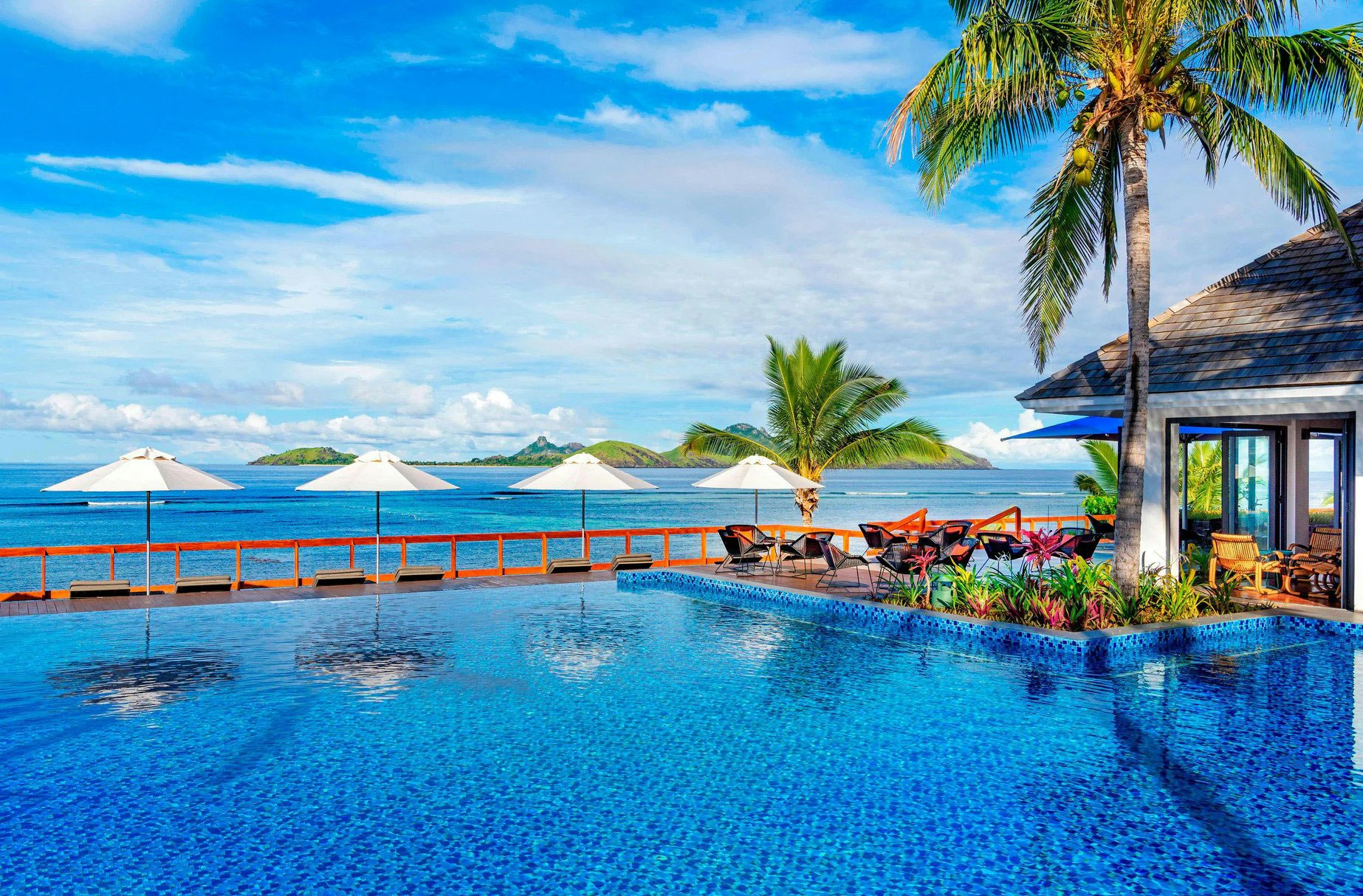
Imagine stepping off the beaten path onto a sun-drenched shore where turquoise waves gently kiss powder-white sand, and the only footprints in the sand are your own. Hidden island escapes offer a rare escape from the noise of modern life, promising seclusion, natural beauty, and a sense of discovery that mass tourism simply cannot replicate. These treasured shores are not just destinations. They are gateways to moments of deep peace, where time slows, and the rhythm of nature becomes your guide.
For centuries, explorers, writers, and dreamers have sought out these remote islands, drawn by their untouched landscapes and the promise of solitude. Today, they remain some of the most sought-after retreats for those looking to reconnect with themselves, each other, or the simple joys of life. Whether you are a seasoned traveler or someone planning your first getaway, hidden islands offer a chance to rediscover the world, and yourself, anew.
Concept & Overview
Hidden island escapes are defined by their remoteness, natural splendor, and the absence of crowds. Unlike popular tourist hotspots, these destinations are often accessible only by boat, small plane, or a long journey, which naturally limits visitor numbers and preserves their pristine environments. The concept is rooted in the idea of slow travel. It encourages visitors to stay longer, immerse themselves in local culture, and leave a minimal footprint.
These islands vary widely in character. Some are rugged and wild, with towering cliffs and crashing waves, perfect for adventurers and nature lovers. Others are lush and tranquil, dotted with palm trees and hidden lagoons, ideal for relaxation and reflection. Many are also home to unique ecosystems and wildlife found nowhere else on Earth. What unites them is their ability to transport visitors to a place where the modern world feels distant, and the present moment feels eternal.
Key Features & Highlights
- Untouched Beaches: Pristine stretches of sand bordered by crystal-clear waters, often empty even during peak hours.
- Secluded Villas or Eco-Lodges: Accommodations designed to blend with the environment, offering comfort without sacrificing natural beauty.
- Local Cuisine: Fresh seafood, tropical fruits, and traditional dishes made with ingredients sourced from the island itself.
- Wildlife Encounters: Opportunities to see rare birds, marine life, or even endangered species in their natural habitats.
- Water Adventures: Snorkeling, kayaking, paddleboarding, or simply floating in calm, turquoise waters.
- Cultural Experiences: Visits to small villages, traditional crafts workshops, or storytelling sessions with local elders.
- Stargazing: Minimal light pollution makes these islands perfect for observing constellations and meteor showers.
- Sustainable Practices: Many hidden islands prioritize eco-friendly tourism, using renewable energy and supporting conservation efforts.
Frequently Asked Questions / Pros & Cons
What makes an island “hidden” rather than just remote?
A hidden island is not only distant but also less known to the general public. It may lack large resorts, frequent flights, or paved roads. Its very existence might be whispered about in travel circles rather than advertised widely. Remote places can still be crowded if they become trendy, but hidden islands remain undiscovered by mass tourism, offering true exclusivity.
Are hidden island escapes suitable for families with children?
It depends on the island. Some hidden islands are family-friendly, with calm waters, shallow beaches, and simple lodgings designed for comfort. Others, especially those with rugged terrain or limited medical facilities, may be better suited for older children or adults. Researching the island’s infrastructure and activities beforehand is essential. Many families choose islands with guided tours or kid-friendly excursions to ensure safety and enjoyment.
How do I access these islands, and is the journey part of the adventure?
Access varies widely. Some islands are reachable by short ferry rides from mainland ports, while others require chartered boats, small planes, or even multi-day sailing trips. The journey itself can be a highlight. Traveling by boat allows you to see dolphins, whales, or remote coastlines. Small planes offer breathtaking aerial views, and overland treks through jungles or mountains add a sense of anticipation. The effort often makes the arrival feel more rewarding.
Pros:
- Absolute privacy and peace.
- Authentic cultural experiences.
- Opportunities for deep relaxation and reflection.
- Support for sustainable and local economies.
Cons:
- Higher travel costs due to limited access.
- Fewer modern amenities or medical facilities.
- Possible language or cultural barriers in very remote locations.
- Seasonal weather can affect accessibility.
Practical Guidance & Solutions
Planning a trip to a hidden island requires careful preparation to ensure a smooth and enjoyable experience. Start by identifying your priorities. Are you seeking adventure, relaxation, or cultural immersion? This will help narrow down the best destinations. Once you’ve chosen an island, research the best time to visit. Weather patterns, monsoon seasons, and local events can significantly impact your trip.
Booking accommodations in advance is crucial, as options are often limited and may sell out quickly, especially during peak seasons. Contact lodges or guesthouses directly to confirm availability, ask about meal plans, and inquire about transportation arrangements. Many hidden islands require advance reservations for boat transfers or guided tours, so plan these details early.
Pack smart. Since these islands often have limited supplies, bring essentials like reef-safe sunscreen, insect repellent, and any necessary medications. Lightweight, breathable clothing is ideal, along with sturdy footwear for hiking or exploring. Don’t forget a waterproof bag for boat rides and a power bank, as electricity may be unreliable.
Respect the environment and local communities. Follow sustainable travel practices, such as not touching coral while snorkeling or supporting local businesses. Learn a few phrases in the local language to show appreciation and foster connections with residents. Finally, embrace the slower pace. Hidden islands are not places to rush. Allow time to unwind, explore at leisure, and savor each moment.
Conclusion
Treasured shores and hidden island escapes are more than just places to visit. They are experiences that awaken the senses, soothe the soul, and reconnect us with the natural world. In a world that often feels rushed and overcrowded, these remote paradises offer a rare gift. They remind us of the beauty that exists beyond the headlines and the joy of discovering something truly unique.
Whether you dream of waking up to the sound of waves, wandering through untouched jungles, or simply sitting under a sky full of stars, hidden islands provide the perfect backdrop. They challenge us to unplug, to slow down, and to rediscover wonder in the simplest of things. So, when the time comes to escape, consider setting sail for a shore less traveled. The memories you make there may just become the highlights of your life.
About the Author